




Herbal Bath Therapy in Vietnam
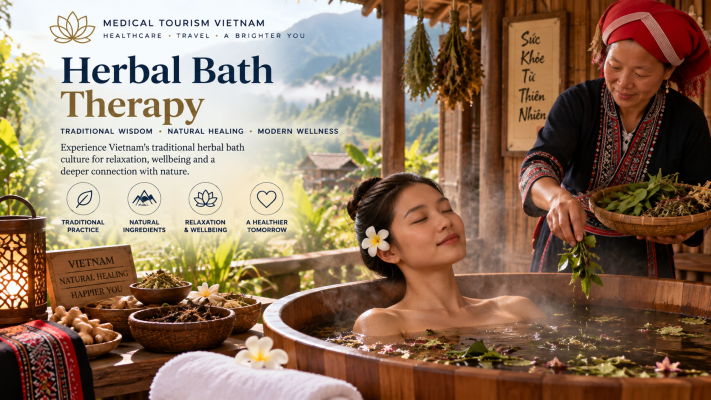
Herbal bathing is part of Vietnam’s diverse tradition of plant-based wellness practices. In the mountainous north of the country, it is particularly associated with Red Dao communities, where knowledge of local plants and their preparation has been passed between generations.
For travellers, a traditional herbal bath can provide an opportunity to experience an aspect of Vietnamese culture while enjoying warmth, relaxation and time away from a demanding travel schedule.
Medical Tourism Vietnam presents herbal bathing as a traditional wellness practice rather than a medical treatment or cure. Claims about particular herbs or therapeutic effects should be considered carefully and individually.
The Red Dao Herbal Bath Tradition
The Red Dao are one of Vietnam’s ethnic minority communities, with significant populations living in the mountainous areas of northern Vietnam, including around Sa Pa in Lào Cai Province.
Traditional knowledge of forest plants forms part of Red Dao cultural life. Herbal bathing is among the practices most familiar to visitors.
Recipes and preparation methods can vary between communities and practitioners. Different leaves, roots, bark and other plant materials may be collected, prepared and combined before being infused or boiled in water.
The resulting herbal preparation is traditionally added to warm bath water, often in a wooden bathing vessel.
What Is a Traditional Herbal Bath?
A herbal bath combines warm-water bathing with preparations made from selected plants.
The experience may involve:
- locally collected or cultivated herbs;
- leaves, roots, bark and other botanical ingredients;
- plant materials simmered or steeped in hot water;
- a wooden or conventional bathing tub; and
- a period of quiet bathing and relaxation.
The aroma, warmth and setting are an important part of the experience.
For international visitors, this means herbal bathing can be appreciated both as a wellness activity and as an introduction to traditional Vietnamese knowledge and culture.
Why Do People Choose Herbal Baths?
People may seek herbal bathing for relaxation, warmth, comfort and general wellbeing.
Warm bathing itself can be soothing, particularly after walking, trekking or travelling. The aromas and sensory experience of herbal preparations may also contribute to relaxation.
Traditional accounts sometimes attribute much broader health benefits to particular herbal preparations. These cultural traditions are important, but they should not automatically be interpreted as established medical evidence.
A herbal bath should therefore not be promoted as a cure for disease or as a substitute for necessary medical care.
What to Expect
The experience varies considerably depending upon where the herbal bath is provided.
In northern Vietnam, visitors may encounter herbal baths at community-based establishments, homestays, traditional wellness centres, spas or resorts.
Plant preparations may be made in advance and added to a bath shortly before use.
Before bathing, ask the provider:
- what ingredients are being used;
- whether the preparation contains essential oils or other added substances;
- how hot the water will be;
- how long the bath is intended to last; and
- whether there are circumstances in which bathing is not recommended.
You should be able to leave the bath at any time if you become uncomfortable.
Safety and Sensible Precautions
“Natural” does not necessarily mean risk-free.
Plants and botanical preparations can cause skin irritation or allergic reactions in some people. Very hot water can also cause burns, dizziness or changes in blood pressure.
Extra caution may be appropriate for people with certain cardiovascular conditions, reduced sensation, skin disorders, pregnancy or other medical concerns.
Avoid using herbal bathing to treat an undiagnosed medical condition without appropriate medical assessment.
Visitors should also consider basic hygiene standards, including the cleanliness of bathing facilities and whether tubs are properly cleaned between guests.
Herbal Bathing and Wellness Travel
Herbal bathing fits naturally within the growing interest in destination wellness — travel that combines rest, cultural experiences and activities intended to support general wellbeing.
Northern Vietnam provides an especially interesting setting because the experience can connect wellness with mountain landscapes, ethnic minority cultures and traditional knowledge of local plants.
A herbal bath after exploring the mountains around Sa Pa can therefore be appreciated as part of the destination itself rather than simply another spa treatment.
Respecting Traditional Knowledge
As traditional wellness practices become increasingly commercialised, cultural context matters.
Red Dao herbal knowledge represents more than a tourism product. It reflects generations of accumulated knowledge about plants and their traditional uses.
Travellers can support responsible wellness tourism by choosing experiences that acknowledge local communities, treat traditional knowledge respectfully and avoid exaggerated medical claims.
This allows traditional wellness practices to be presented without turning cultural heritage into unsupported promises of disease treatment.
Explore Traditional Wellness in Vietnam
Herbal bathing is one of several traditional wellness experiences visitors may encounter in Vietnam.
You may also be interested in:
Hot Springs & Mud Bath Therapy
Explore Wellness & Recovery in Vietnam
Our main Wellness & Recovery guide explores traditional practices alongside contemporary wellness, recovery programs, preventative health and destination-based wellness travel.
Wellness & Recovery in Vietnam
Further Reading – Hanoi Trading Post
For independent editorial coverage exploring Vietnamese culture, traditions, society, health and developments across Asia:
There is currently no dedicated Hanoi Trading Post feature specifically examining Red Dao herbal bathing. Rather than linking an unrelated article, we will retain the main Hanoi Trading Post link here.
Planning a Wellness Experience in Vietnam?
Medical Tourism Vietnam can help international visitors understand wellness and healthcare options in Vietnam and, where appropriate, facilitate initial communication with selected providers.
Contact Medical Tourism Vietnam
There is no obligation to proceed. Final medical suitability, treatment recommendations and quotations are determined by the treating healthcare provider following individual assessment.
Medical Disclaimer
This page provides general educational information and does not constitute medical advice, diagnosis or a recommendation to use herbal preparations to treat a medical condition.
Traditional uses of plants do not necessarily establish clinical effectiveness. Individuals with medical conditions, allergies, pregnancy or concerns about exposure to particular herbs or hot-water bathing should seek appropriate professional advice.
About the Author
George Adams is the Founder and Editor of Medical Tourism Vietnam. Drawing on many years of experience living and working in Vietnam and across Asia, he develops patient-focused information designed to help international visitors better understand healthcare, wellness and medical-travel options throughout the region.
Editorial Policy
Medical Tourism Vietnam aims to provide clear, balanced and patient-focused information about healthcare, wellness and medical travel. Traditional and complementary practices are discussed with respect for their cultural context while distinguishing traditional use from established medical evidence.
Last Reviewed: 9 September 2026