




Hot Springs & Mud Bath Therapy in Vietnam
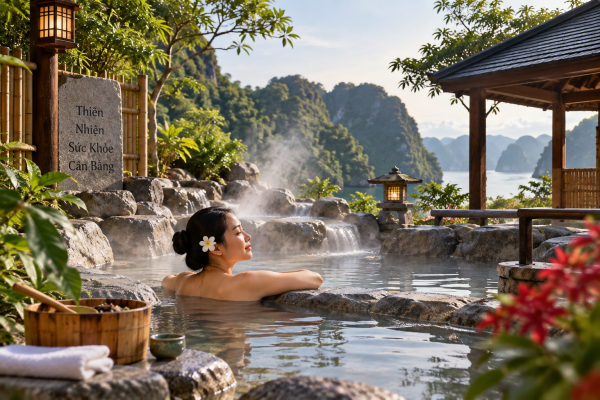
Vietnam’s natural mineral springs offer a different dimension to the country’s growing wellness landscape. From forested mountain retreats to contemporary thermal resorts, warm mineral-water bathing provides an opportunity to slow down, relax and experience wellness in a natural setting.
Some destinations also offer mineral mud bathing, spa treatments and increasingly sophisticated facilities influenced by international bathing traditions, including the Japanese onsen experience.
Medical Tourism Vietnam presents hot springs and mud bathing primarily as wellness and relaxation experiences. Although thermal bathing has a long history of traditional therapeutic use, claims that mineral water or mud can cure particular diseases should be treated cautiously.
Natural Mineral Springs in Vietnam
Vietnam has geothermal and mineral-water resources in different parts of the country.
Historically, some springs were used primarily by local communities. Today, a number have been developed into wellness destinations offering mineral pools, private baths, spa services and accommodation.
The experience can vary considerably. Some locations retain a relatively natural setting, while others have developed into sophisticated resorts.
For travellers, the attraction is often the combination of:
- naturally heated or mineral-rich water;
- outdoor bathing;
- mountain or forest surroundings;
- relaxation and recovery;
- spa and wellness services; and
- a destination experience beyond conventional sightseeing.
What Is Hot Mineral Spring Bathing?
Hot-spring bathing involves immersing the body in naturally heated or thermally sourced mineral water.
The mineral composition and temperature differ between springs, so one location should not automatically be assumed to provide the same experience or properties as another.
Warm-water immersion itself can feel relaxing and soothing. For many travellers, the greatest attraction is simply spending time in warm water within a peaceful natural environment.
Some facilities provide communal pools, while others offer private bathing areas.
Japanese Onsen Influence in Vietnam
One interesting development in Vietnam’s wellness sector has been the emergence of resorts influenced by Japanese onsen culture.
Traditional Japanese onsen places considerable emphasis on bathing rituals, tranquillity, natural surroundings and the experience of mineral-rich thermal water.
Vietnamese destinations have increasingly adapted elements of this approach to local mineral springs and landscapes.
A notable example is Yoko Onsen Quang Hanh in Quảng Ninh, northern Vietnam. The resort has developed a Japanese-inspired hot-spring experience around the natural mineral resources of the Quang Hanh area.
For Medical Tourism Vietnam, its significance is broader than one individual resort. It illustrates how Vietnam’s wellness industry is evolving by combining natural resources, Asian wellness traditions and higher-quality destination experiences.
Mud Bathing in Vietnam
Mineral mud bathing is another wellness experience available at selected Vietnamese thermal and spa destinations.
Rather than bathing in conventional water, visitors immerse part or all of the body in prepared mineral mud before washing and, depending on the facility, continuing with mineral-water bathing.
Mud bathing is often marketed with claims relating to the skin, circulation, detoxification and various health conditions.
These claims should be considered carefully.
A mud bath can certainly provide a distinctive sensory and relaxation experience, but it should not be presented as a cure for skin disease, inflammatory conditions, endocrine disorders or other illnesses without appropriate clinical evidence.
Potential Wellness Benefits
People commonly choose hot springs and thermal bathing for relaxation, comfort and general wellbeing.
Warm-water immersion may help people feel physically relaxed and can provide temporary relief from muscle tension or stiffness.
The psychological component can also be important. Quiet surroundings, warm water, reduced digital distractions and time spent in nature may all contribute to the overall sense of wellbeing.
These experiences are better understood as part of wellness and restorative travel rather than as replacements for medical treatment.
Safety and Sensible Precautions
Hot-water bathing is not appropriate for everyone.
Water that is excessively hot can cause dizziness, dehydration, overheating or changes in blood pressure. Alcohol should generally be avoided before or during prolonged hot bathing because it can increase risks associated with heat and dehydration.
People with cardiovascular conditions, unstable blood pressure, pregnancy, reduced heat sensation or other significant health concerns should seek appropriate professional advice if uncertain about hot-spring bathing.
Visitors should also follow the facility’s recommended bathing times and temperature guidance.
For mud bathing, people with sensitive or damaged skin should consider the ingredients and hygiene standards of the facility before participating.
Choosing a Hot-Spring or Mud-Bath Facility
The quality of facilities varies.
Before booking, consider:
- cleanliness and water-management standards;
- bathing temperatures;
- whether pools are communal or private;
- changing and shower facilities;
- accessibility;
- staff supervision;
- information about the mineral-water source;
- accommodation, if staying overnight; and
- whether medical or wellness claims appear reasonable.
Be cautious when a facility promises to cure diseases or makes sweeping claims about “detoxification” or other medical outcomes.
A high-quality wellness experience does not need exaggerated health claims.
Hot-Spring Destinations in Vietnam
Vietnam’s thermal-wellness experiences are not confined to one destination.
Quảng Ninh in northern Vietnam offers perhaps the clearest example of the emerging premium onsen-inspired model through the mineral springs of Quang Hanh.
Central Vietnam also has established mineral-spring destinations, including areas around Huế and Da Nang, where thermal bathing can be combined with broader cultural and wellness travel.
Other mineral springs and thermal experiences can be found in different regions of the country.
This geographical variety makes hot-spring wellness particularly interesting for travellers who want to combine relaxation with a wider Vietnamese itinerary.
Wellness, Culture and the Vietnamese Landscape
Vietnam has an opportunity to develop a distinctive approach to thermal wellness.
Rather than simply reproducing Japanese or European spa traditions, the strongest experiences can combine international standards with Vietnam’s own landscapes, hospitality, food, culture and traditional approaches to wellbeing.
A mountain hot spring in northern Vietnam offers a very different experience from a coastal spa or a wellness retreat in Central Vietnam.
That diversity is part of the attraction.
Explore Traditional Wellness in Vietnam
You may also be interested in:
Herbal Bath Therapy in Vietnam
Explore Wellness & Recovery in Vietnam
Our main guide brings together traditional Vietnamese wellness practices, contemporary recovery services, preventative wellness and destination-based experiences.
Wellness & Recovery in Vietnam
Further Reading – Hanoi Trading Post
For independent editorial coverage of Vietnam, its culture, destinations, health and changing wellness landscape:
There is currently no dedicated Hanoi Trading Post feature examining Vietnam’s hot springs or onsen-inspired wellness sector. Rather than inserting an unrelated article, we retain the main publication link here.
Planning a Wellness Experience in Vietnam?
Medical Tourism Vietnam can help international visitors understand wellness and healthcare options in Vietnam and, where appropriate, facilitate initial communication with selected providers.
Contact Medical Tourism Vietnam
There is no obligation to proceed. Final medical suitability, treatment recommendations and quotations are determined by the treating healthcare provider following individual assessment.
Medical Disclaimer
This page provides general educational information and does not constitute medical advice, diagnosis or a recommendation to use thermal or mud bathing to treat a medical condition.
Traditional use and commercial wellness claims should not be interpreted as evidence that hot springs or mud baths can cure disease. People with medical conditions or concerns about heat exposure should seek appropriate professional advice.
About the Author
George Adams is the Founder and Editor of Medical Tourism Vietnam. Drawing on many years of experience living and working in Vietnam and across Asia, he develops patient-focused information designed to help international visitors better understand healthcare, wellness and medical-travel options throughout the region.
Editorial Policy
Medical Tourism Vietnam aims to provide clear, balanced and patient-focused information about healthcare, wellness and medical travel. Traditional and complementary practices are discussed with respect for their cultural context while distinguishing wellness experiences and traditional use from established medical evidence.
Last Reviewed: 10 September 2026