





Introduction
As populations across Asia continue to age, healthcare systems are facing a growing challenge: the rising prevalence of prostate-related conditions in older men.
One of the most common of these is Benign Prostatic Hyperplasia (BPH), a non-cancerous enlargement of the prostate gland that can significantly affect quality of life.
While traditionally managed through long-term medication or invasive surgery, a newer, minimally invasive approach, steam-based therapy is now reshaping how this condition is treated.
Understanding the Condition
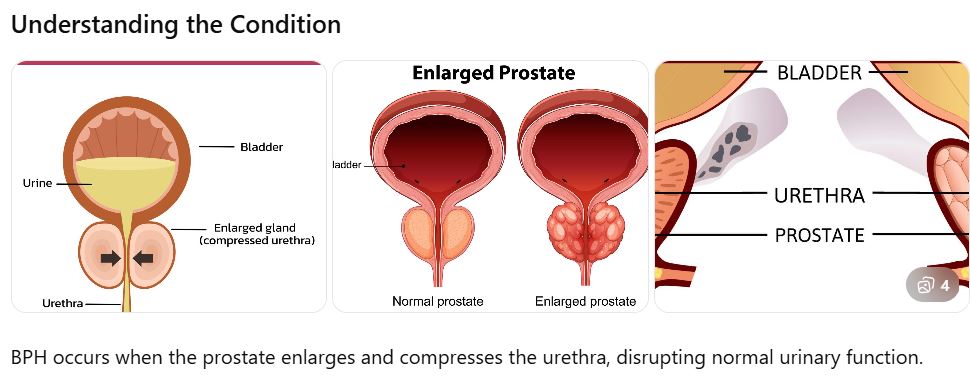
BPH occurs when the prostate enlarges and compresses the urethra, disrupting normal urinary function.
Common symptoms include:
- difficulty starting urination
- weak or interrupted urine flow
- frequent urination, especially at night
- incomplete bladder emptying
While not life-threatening, the condition can become progressively debilitating if untreated.
The Shift Away from Traditional Treatment
Historically, treatment options have been limited:
- medication (long-term symptom management)
- surgery, particularly TURP (Transurethral Resection of the Prostate)
While effective, surgical approaches often involve:
- hospitalisation
- longer recovery times
- risk of complications, including sexual side effects
This has created demand for alternatives that are both effective and less invasive.
What Is Steam Therapy?
Rezūm Water Vapor Therapy is a modern treatment that uses controlled doses of water vapour to reduce prostate tissue.
How the procedure works:
- A small device is inserted through the urethra
- Sterile steam is delivered into targeted areas of the prostate
- The thermal energy destroys excess tissue
- Over time, the body reabsorbs this tissue
The result is a gradual reduction in prostate size and improved urinary flow.
Why It Matters
Steam therapy represents a significant shift in urological care.
Key advantages:
- minimally invasive (no incisions)
- typically performed as a day procedure
- short recovery period
- reduced reliance on medication
- preservation of sexual function in most cases
For many patients, it offers a middle ground between medication and major surgery.
Clinical Outcomes
Clinical studies and real-world use have demonstrated:
- sustained improvement in urinary symptoms
- increased flow rates
- durable results lasting several years
- high levels of patient satisfaction
Most patients begin to notice improvement within weeks, with continued progress over several months.
Early Adoption and Expansion Across Asia
Steam therapy is now well established in:
- the United States
- Europe
- Australia
- Japan
Across Asia, adoption is accelerating—particularly in healthcare systems prioritising advanced technology, clinical standards, and international patient care.
Access Across Asia: Where Steam Therapy Is Available
The availability of steam-based prostate treatment has expanded significantly across Asia, particularly within healthcare systems known for high clinical standards, advanced technology, and strong international patient services.
Singapore
Singapore remains one of Asia’s leading centres for advanced medical technology and specialist care. Private healthcare groups such as Parkway Pantai and Raffles Medical Group have been early adopters of minimally invasive procedures, including steam therapy for BPH.
Its strong regulatory framework and international reputation make it a preferred destination for complex or precision-based treatments.
South Korea
South Korea is widely recognised for its technological leadership in medicine. Major institutions such as Asan Medical Center and Samsung Medical Center offer advanced minimally invasive urological treatments supported by highly developed hospital infrastructure.
The country combines innovation with strong clinical outcomes, making it an important centre for modern urology.
Malaysia
Malaysia has developed a strong reputation as a medical tourism destination, particularly for patients seeking high-quality care at competitive costs. Hospitals such as Gleneagles Kuala Lumpur and Prince Court Medical Centre provide access to modern prostate treatments, including steam-based therapy.
The combination of affordability, accessibility, and English-speaking medical staff continues to attract international patients.
Japan
Japan has long been an early adopter of advanced medical technologies. Steam therapy is available in university hospitals and specialised clinics in major cities such as Tokyo and Osaka.
While clinical standards are exceptionally high, international patients may encounter language and system navigation challenges.
Taiwan
Taiwan’s healthcare system is highly developed and technologically advanced. Major medical centres in Taipei offer a wide range of minimally invasive urological procedures, including steam therapy.
Taiwan is increasingly recognised for combining efficiency, quality care, and modern infrastructure.
Regional Trends
Across Asia, a clear pattern is emerging:
- high-standard private hospitals are leading adoption
- minimally invasive treatments are replacing traditional surgery
- patient demand is shifting toward faster recovery and lower risk
- cross-border care is increasingly driven by quality and trust—not just cost
A Medical Tourism Perspective
For international patients, particularly those facing:
- long surgical wait times
- high healthcare costs
- limited access to newer procedures
steam therapy presents an attractive alternative.
Vietnam, in particular, is emerging as a destination where patients can access:
- internationally trained specialists
- modern medical technology
- significantly lower treatment costs
This aligns with a broader trend of patients seeking less invasive treatment options abroad.
Risks and Considerations
While generally safe, steam therapy is not without risks.
Possible side effects include:
- temporary urinary discomfort
- mild bleeding
- urgency during recovery
- short-term catheter use
However, compared to surgical options, complication rates are relatively low.
The Bigger Picture
The rise of treatments like steam therapy reflects a broader transformation in global healthcare:
- movement toward minimally invasive procedures
- increased patient demand for faster recovery
- integration of new technologies into outpatient care
In Asia, these trends are particularly significant given ageing populations and expanding private healthcare systems.
Conclusion
Steam-based prostate therapy represents a meaningful shift in how one of the most common age-related conditions is managed.
For patients, it offers a less invasive and more convenient pathway to treatment.
For healthcare providers, it reflects the growing importance of technology-driven solutions.
And for Asia, it highlights the increasing role of the region in shaping the future of accessible, modern medical care.
About the Author
George Adams is the founder of Medical Tourism Vietnam and editor of Hanoi Trading Post. He writes on healthcare access, medical innovation, and the intersection of policy, technology, and cross-border treatment across Asia.
Follow for more insights on healthcare in Asia.
This article is also published on Hanoi Trading Post.
