




Exploring how mindful breathing, meditation and body awareness contribute to relaxation, self-awareness and overall wellbeing.

Introduction
Vietnam is increasingly recognised not only for its modern hospitals and specialist healthcare services, but also for its rich traditions of holistic wellbeing. Alongside advances in medicine, many visitors are discovering practices that encourage relaxation, mindfulness and a deeper awareness of the connection between body and mind.
One contemporary example is Chân Khí Đạo (The Way of Vital Energy), a Vietnamese practice developed by Dr. Phan Quốc Anh. Drawing inspiration from traditional Eastern contemplative practices while engaging with modern perspectives on wellbeing, Chân Khí Đạo combines mindful breathing, meditation and body awareness into a structured practice designed to encourage calmness, balance and personal wellbeing.
Although Chân Khí Đạo is not a medical treatment, many people choose to incorporate mindful breathing and meditation into their broader approach to stress management, relaxation and healthy living.
This page introduces the philosophy behind Chân Khí Đạo, explains how the practice is structured and explores why it is attracting growing interest among people seeking a more holistic approach to wellbeing.
What is Chân Khí Đạo?
The Vietnamese words “Chân Khí Đạo” may be translated as “The Way of Vital Energy.”
Developed by Dr. Phan Quốc Anh, the practice encourages participants to cultivate greater awareness of breathing, posture and mindful attention. Rather than focusing solely on physical movement, Chân Khí Đạo seeks to develop harmony between the body, the breath and the mind through regular practice.
Its philosophy reflects an understanding found throughout many Eastern contemplative traditions: that physical wellbeing, emotional balance and mental clarity are closely connected.
While modern scientific research continues to investigate the effects of mindfulness and controlled breathing on the nervous system, Chân Khí Đạo presents these ideas through a distinctly Vietnamese perspective that values patience, self-awareness and consistent personal practice.
Importantly, Chân Khí Đạo should be viewed as a complementary wellness practice rather than a substitute for professional medical care. Individuals with existing medical conditions should always seek advice from appropriately qualified healthcare professionals regarding diagnosis and treatment.
From Ancient Wisdom to Contemporary Practice.
For centuries, meditation and mindful breathing have formed part of many Asian philosophical and spiritual traditions. These practices encourage careful observation of the present moment while developing greater awareness of the body’s natural rhythms.
Chân Khí Đạo continues this tradition in a contemporary Vietnamese context.
Rather than presenting ancient wisdom as something fixed in the past, the practice demonstrates how long-established ideas can remain relevant within modern society. It combines traditional concepts of mindful awareness with structured exercises that are accessible to people from diverse cultural and professional backgrounds.The result is a practice that encourages participants to slow down, observe more carefully and cultivate a greater sense of balance in everyday life.
The Five-Phase Practice
One of the defining characteristics of Chân Khí Đạo is its structured approach. Rather than presenting meditation as an abstract concept, the practice guides participants through a series of progressive stages that encourage relaxation, mindful awareness and a gradual transition back into everyday life.
While individual instruction may vary, the practice is commonly described as comprising five interconnected phases.
1. Grounding and Preparation
Each session begins with gentle nasal breathing and an awareness of posture and physical relaxation. Participants are encouraged to become fully present by observing the natural rhythm of their breathing while allowing the body to settle comfortably.
Many people find this initial stage helps create a calmer state of mind before moving into deeper practice.
2. Internal Energy Awareness
The second stage focuses on directing mindful attention through a series of traditional energy pathways described in Eastern practice.
Within Chân Khí Đạo, this process is intended to cultivate greater body awareness and encourage a sense of internal balance through relaxed concentration rather than physical effort.
3. Whole-Body Integration
Attention is then gradually extended throughout the body, including the hands and feet, encouraging practitioners to experience a sense of connection between breathing, posture and physical awareness.
Rather than concentrating on a single point, this stage promotes an awareness of the body as an integrated whole.
4. Sensory Reawakening
Before concluding the meditation, participants gently stimulate the senses through simple movements and light massage techniques.
This gradual transition helps practitioners move comfortably from quiet meditation back into normal daily activities while maintaining a sense of calm and awareness.
5. Mindful Integration
The practice concludes with slow, controlled movement and mindful walking.
Rather than viewing meditation as something separate from everyday life, Chân Khí Đạo encourages participants to carry the qualities of patience, calmness and awareness into their daily activities.
Mindful Breathing and Wellbeing
Breathing is one of the few bodily functions that can operate both automatically and consciously. Because of this unique characteristic, mindful breathing has become an area of growing interest within contemporary wellbeing research.
Although scientific research into individual meditation practices continues to evolve, many studies suggest that mindful breathing and relaxation techniques may help reduce perceived stress, improve emotional regulation and support overall psychological wellbeing for some individuals.
Chân Khí Đạo places mindful breathing at the centre of its practice, encouraging participants to develop greater awareness of both body and mind through consistent, gentle practice.
As with all complementary wellness practices, individual experiences will vary, and Chân Khí Đạo should not be considered a substitute for professional medical advice or treatment.
Vietnam’s Emerging Wellness Identity
International visitors increasingly recognise Vietnam as more than a destination for affordable healthcare.
Alongside internationally accredited hospitals, specialist clinics and growing medical expertise, Vietnam also offers traditions of mindfulness, meditation, herbal knowledge and holistic wellbeing that have developed over many generations.
Practices such as Chân Khí Đạo demonstrate how contemporary Vietnamese practitioners continue to build upon these traditions while engaging with modern understandings of health and wellbeing.
For many visitors, this combination of advanced healthcare and cultural wellness experiences offers a broader perspective on recovery, resilience and healthy living.
Dr. Phan Quốc Anh’s New Book
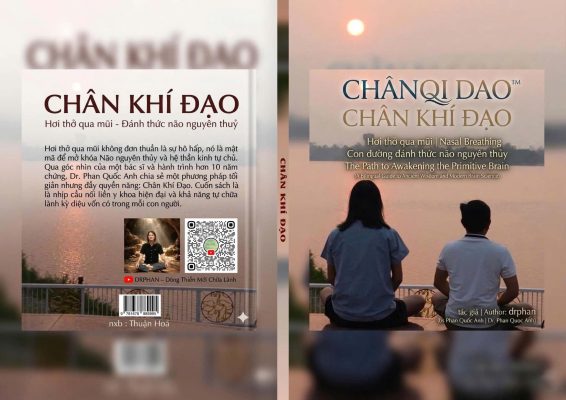
As interest in Chân Khí Đạo continues to grow, Dr. Phan Quốc Anh has recently published a new bilingual book introducing the philosophy and practical foundations of the practice to both Vietnamese and international readers.
The publication explores the relationship between mindful breathing, body awareness and personal wellbeing while presenting Chân Khí Đạo within the broader context of traditional Eastern contemplative practices and contemporary perspectives on health.
For readers wishing to explore the subject in greater depth, the book provides an accessible introduction to both the philosophy and practical exercises that form the foundation of Chân Khí Đạo.
Learn More
Readers interested in learning more about Chân Khí Đạo can explore Dr. Phan Quốc Anh’s educational videos and practical demonstrations through his official YouTube channel.
These resources provide additional insight into the philosophy, breathing techniques and guided practice developed by Dr. Phan.
Official YouTube Channel:
https://youtube.com/@drphanchankhidao
Further Reading
For readers interested in exploring the cultural and philosophical background of Chân Khí Đạo, we invite you to read our companion feature published by Hanoi Trading Post:
Chân Khí Đạo: Bridging Ancient Meditation and Modern Science for Holistic Healing in Vietnam

The latterns look great.